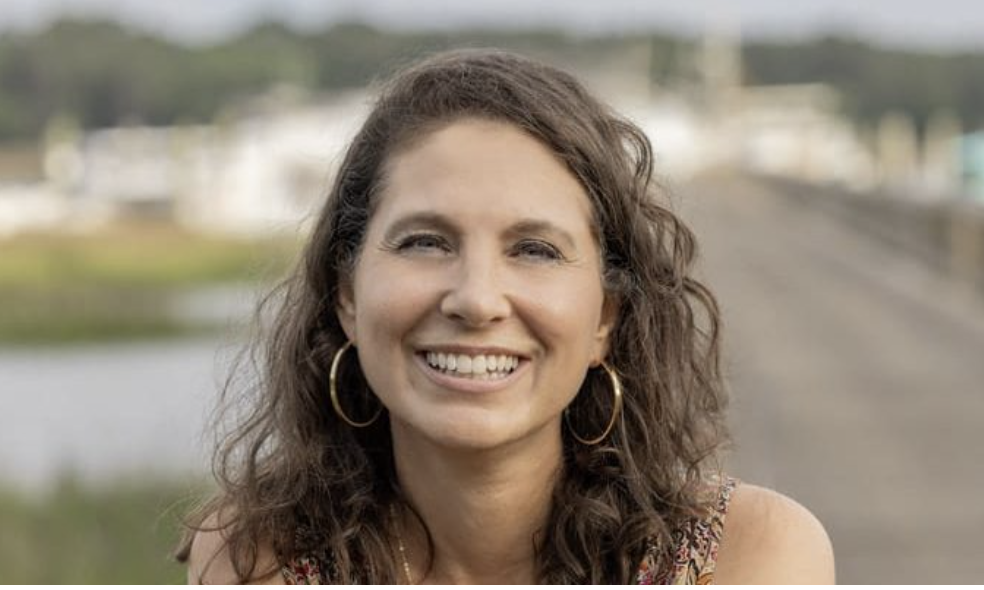
Sheila Tucker, LMFTC-S | Heart Mind Soul Counseling | Hilton Head Island, SC
Photo by MKAT
***This article originally appeared in the September 2026 issue of Celebrate Hilton Head, Bluffton, & Beyond (CH2/CB2).
The crackle of chicken frying, flour dusted across the counters and stovetop, me sneaking the crispy bits left on the plate before anyone noticed they were missing.
Mashed potatoes. Green beans pulled straight from the garden that morning. A plate of sliced tomatoes. Bread and butter, because no meal was complete without it. It was a time when everyone gathered around the table to eat and connect.
The simple thought of food evokes an array of memories and meanings. Sunday dinners at my grandmother’s home, for one. There are other food memories too.
Sitting next to the ice cream churn, waiting out the longest 10 minutes of a summer afternoon for my grandmother’s peach ice cream. Decorating gingerbread cookies every December. Two Red Hots in my mouth for every one on a cookie.
Conversations about the ordinary and the momentous happened around the table. We discussed hopes, worked out disagreements, discussed plans for the future, and made a case for who made the best cookie.
For me, food is as much about nourishment as it is about connecting. But back then, it never occurred to me that food also informs mental wellbeing.
An Exploration
We already accept, without much argument, that what we eat affects our physical health. What’s less discussed, but increasingly well-documented, is how food is directly tied to our mental state.
That question – how much of what we feel is coming from what we eat and how we consume it – is what stirred my curiosity. Who better to ask about this topic than a few trusted women I know?
Lindsay Ford, a registered dietitian and owner of Permission to Eat, points out how our physical health influences our mental wellbeing. For example, “Blood sugar dysregulation leads to energy highs and lows, low vitamin D status increases your risk for depression and anxiety, and low iron stores place you at risk for anemia, which often occurs with high levels of fatigue.”

Lindsay Ford, registered dietitian and owner of Permission to Eat
Jennifer Tucker, certified integrative nutrition health coach and certified gut health coach and owner of Wellness Simplified, puts it simply: “Eating a variety of whole, minimally processed foods can help support your overall wellbeing.”

Jennifer Tucker, certified integrative nutrition health coach and certified gut health coach and owner of Wellness Simplified
Charlotte Hardwick, certified integrative nutrition health coach and owner of Flow and Nourish, takes a seasonal approach with her clients. Apples, pears, and figs in the fall to help clear residual heat and ward off winter colds.
Root vegetables through the cold months, chosen for their grounding, warming effect. Warm greens folded into winter soups. Salads, berries, and fresh juices in spring, when the body wants to cleanse and renew.
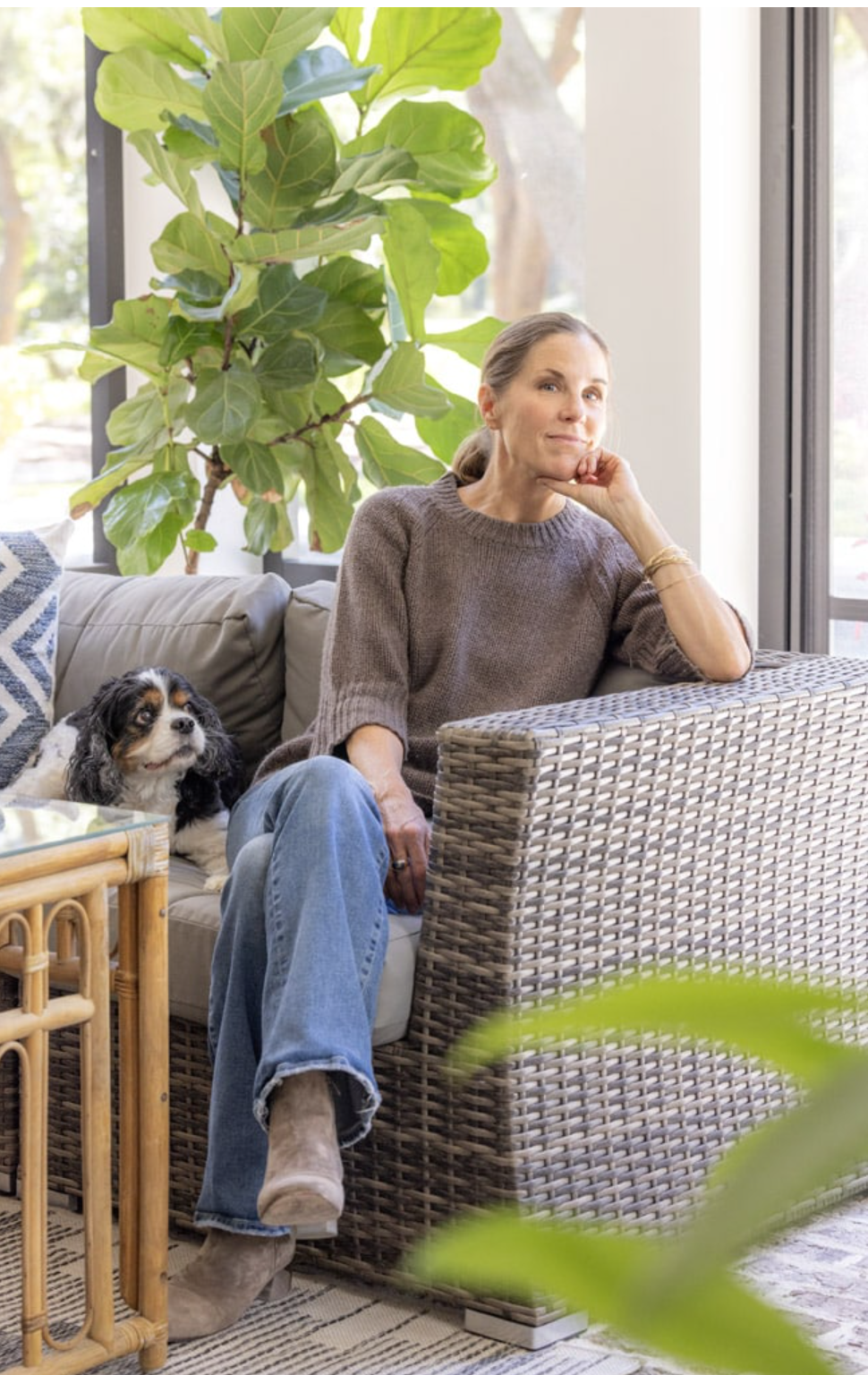
Charlotte Hardwick, certified integrative nutrition health coach and owner of Flow and Nourish
The variety is intentional. Different plants feed different populations of gut bacteria, and a well-fed gut microbiome is increasingly linked to better mental health outcomes, which is exactly what Charlotte’s clients report. Once again, it reminds me of my grandparents’ home and picking seasonal veggies to prepare as side dishes and fruits for desserts.
Charlotte also notes, “Nourishing the body through the seasons balances the brain.” And there’s a psychological bonus built in: It’s simple, and it’s sustainable. This alone leads to a decrease in anxiety and overwhelm. “People tend to make eating healthy or nourishing their body and mind harder than it needs to be,” she said.
Listening to Your Body
Your body is constantly sending internal signals. Like that signal of fullness, even if you want one more bite – you know, just for taste. Jennifer describes it this way: “Our bodies are always giving us information. Learning to pay attention to things like hunger, fullness, energy, and digestion helps us better understand what our body needs, which is an important part of supporting overall wellbeing.”
Lindsay shares a similar stance, stating that “Diet plays a huge role in how we feel.” She notes that the implications of the foods we eat can often sneak up on us. We may not realize the impact they have on us right away. Instead, it often takes time for the foods we’re consuming to “settle in.”
It makes sense. Those extra few sips of coffee I thought I needed can easily increase my heart rate and trigger my anxiety response. I’m not actually anxious, but my brain and nervous system read my body’s signals as such. If I’m not paying attention, I can easily assume I’m experiencing anxiety rather than my body’s response to caffeine.
Simple, Everyday Changes
Being aware of how food affects your mental wellbeing doesn’t require an overhaul. Jennifer’s advice is refreshingly modest: “Reducing ultra-processed foods and added sugar is one of the simplest changes people can make.” Even more importantly, she encourages paying attention to how different foods make you feel personally, since our bodies don’t all respond the same way.
Lindsay suggests keeping it simple by eating breakfast, including fiber-rich foods, consuming adequate protein, and enjoying meals at the table with friends and family. She also includes honoring your hunger and fullness cues, while keeping alcohol intake low.
Charlotte’s seasonal approach offers another low-effort entry point. You don’t have to redesign your diet; just start layering in what’s currently in season.
In all cases, it’s a practice of slowing down to pay attention or be mindful. It’s noticing what a food does to your body immediately, or even an hour later. Notice when hunger is real versus when it’s boredom or stress.
Speaking of easy, here’s a recipe for Charlotte’s brain-boosting snack that takes 10 minutes and barely counts as a recipe.
Rosemary Roasted Walnuts: Makes 8 servings (¼ cup each)
Toss 2 cups raw walnuts with 3 tablespoons olive oil, 2 tablespoons chopped fresh rosemary, and 1 teaspoon sea salt. Add any favorite spice — a pinch of cayenne, a little fresh thyme, or a drizzle of maple syrup with a dash of cinnamon for something sweeter. Bake at 300°F for 10 minutes, toss, then bake another 10 minutes. Let cool and store in the refrigerator. Experiment with any nut of your choice or a combination of nuts.
It Sounds Easy, But...
There are limitations to eating in a way that benefits both physical and mental wellbeing. Lindsay points out the hunger problem in our nation, including our local area. "We also have a problem where affording nutrient dense foods feels really hard for families. I wish I had the solutions, but I do know that systemic hunger negatively influences mental health."
The Whole Picture
The research on nutrition and mental health is catching up. It's becoming clearer that food is rarely just fuel. It's a combination of chemistry, memory, mood, connection, and affordability. Although the science can get complicated, making small, everyday changes doesn't have to be.
I, too, wish I had the answer to the systemic hunger and food affordability problems.
Unfortunately, I don't. If you're in the Lowcountry and in need of assistance with food, there are several organizations you can reach out to: Bluffton Self Help, Second Helpings, Lowcountry Food Bank, and The Deep Well Project, to name a few. If you have the means to give, these same organizations are also accepting donations.
Mindfully Yours,

Sheila Tucker is a licensed marriage and family therapist and the founder of Heart Mind & Soul Counseling, LLC. She empowers clients who overthink, worry, and experience their fair share of anxiety to become more rooted in peace, ease, and confidence. When not in the office, you'll find her walking her pups or planning her next mountain getaway with her husband.
*** If you like what you’re reading and you want more, you’re in luck.
I have an email list.
By subscribing, you’ll know when a blog goes live instead of checking back on repeat. You’ll also receive strategies and skills to manage anxiety and relationship issues.
And I’ll let you know when I’m holding workshops and retreats.
I promise no spam.
Only witty words to inspire, entertain, and educate so you can begin to experience a greater sense of well-being…from the comforts of…wherever you are.
Oh, and you can unsubscribe anytime, so there’s absolutely no downside.